Restore Balance. Reconnect with Nature. Experience True Healing through Ayurveda.



Best Ayurveda Management of Frozen Shoulder


Frozen Shoulder Management in Ayurveda: Natural Relief for Pain and Stiffness
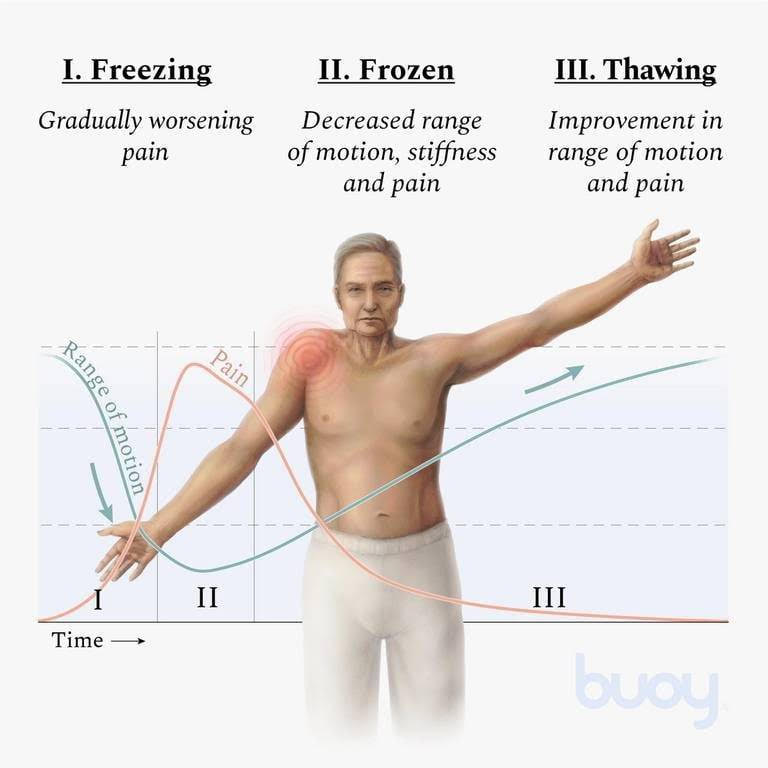
Frozen shoulder causes pain, stiffness, and restricted shoulder movement. Therefore, many people struggle with daily activities. Ayurveda, however, offers natural and effective care for this condition. Moreover, Ayurveda focuses on pain relief and better joint mobility.
Understanding Frozen Shoulder in Ayurveda
Frozen shoulder mainly affects the shoulder joint capsule. Consequently, patients feel pain and limited movement. Ayurveda relates frozen shoulder to aggravated Vata dosha. Therefore, dryness and stiffness increase in the shoulder region. As a result, the joint loses flexibility and strength.
Common Symptoms of Frozen Shoulder
Patients usually develop shoulder pain slowly. Later, stiffness increases gradually. Consequently, lifting the arm becomes difficult. Many people also experience pain during sleep. Furthermore, the shoulder may feel weak and tight.
Causes of Frozen Shoulder
Several factors can trigger frozen shoulder. Diabetes, therefore, increases the risk significantly. Shoulder injuries may also contribute to the condition. Moreover, poor posture and repetitive strain can worsen stiffness. Aging, however, remains a common risk factor.
Ayurveda Management of Frozen Shoulder
Ayurveda management of frozen shoulder focuses on balancing Vata dosha. Therefore, treatment aims to reduce pain and stiffness naturally. Ayurvedic therapies also improve blood circulation and joint flexibility.
Abhyanga Therapy
Abhyanga uses warm medicated oils on the shoulder. Consequently, muscles relax and stiffness decreases. Moreover, oil massage improves joint nourishment and mobility.
Swedana Therapy
Swedana involves herbal steam therapy. Therefore, the body releases stiffness and toxins through sweating. As a result, shoulder movement improves gradually.
Panchakarma Treatments
Panchakarma therapies cleanse the body naturally. Moreover, these therapies help reduce chronic inflammation. Treatments like Patra Pinda Sweda and Njavarakizhi also support faster recovery.
Herbal Medicines
Ayurvedic herbs help reduce inflammation and pain. Therefore, doctors may recommend Guggulu, Ashwagandha, and Rasna formulations. These herbs also support muscle and joint strength.
Lifestyle Tips for Frozen Shoulder
Patients should perform gentle shoulder exercises daily. Moreover, stretching helps maintain joint flexibility. Healthy posture also reduces shoulder strain. Furthermore, warm foods and proper sleep support healing.
Benefits of Ayurveda Management of Frozen Shoulder
Ayurveda provides holistic and natural healing. Therefore, patients often experience reduced pain and better mobility. Ayurvedic care also improves overall joint health. Moreover, therapies support long-term wellness without dependency on painkillers.
Conclusion
Frozen shoulder can affect daily comfort and movement. However, Ayurveda management of frozen shoulder offers natural relief and long-term support. Ayurvedic therapies, therefore, help reduce pain, improve flexibility, and restore shoulder function naturally.
.