Restore Balance. Reconnect with Nature. Experience True Healing through Ayurveda.




17.
Osteoarthritis
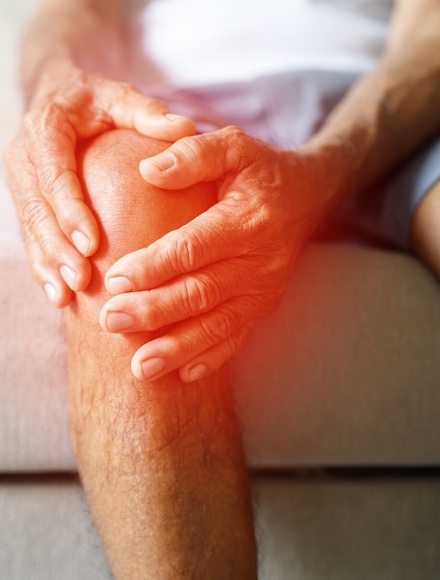
Millions of people worldwide suffer from a disorder called arthritis affecting the body's joints and causing pain and swelling in one or more of them. The main symptoms are joint swelling, stiffness, and excruciating pain, which worsens in cold weather. Rheumatoid arthritis, osteoarthritis, and gout are the three types of arthritis. There is no long-term remedy for the degenerative disorders. Degenerative diseases were treated using a mix of drugs, physical therapy, and lifestyle modifications. In order to relieve the irritated vata that causes joint pain, Ayurvedic treatment for osteoarthritis, also known as sandhivata, focusses on vata-balancing techniques and drugs.
WHAT IS OSTEOARTHRITIS?
Osteoarthritis is the most prevalent kind of arthritis. It occurs as a result of gradual deterioration of the cartilage that cushions the ends of the bones. Despite the fact that osteoarthritis can harm any joint, it most frequently affects the hands, knees, hips, and spine.
CAUSES:
Joint injuries, growing older, genetic illness, overweight, deterioration of Cartilage
RISK FACTORS:
Factors that can increase your risk of osteoarthritis include: Older age;The risk of osteoarthritis increases with age. Obesity: Osteoarthritis is caused by carrying excess body weight in a number of ways. Your risk increases with your weight. Weight-bearing joints like the hips and knees experience increased stress when one's weight increases. Additionally, substances produced by adipose tissue have the potential to induce dangerous swelling in and around your joints. Joint injuries: Osteoarthritis risk can be raised by injuries, such as those sustained in sports or accidents. Osteoarthritis risk can be raised by injuries that happened many years ago. Repeated stress on the joint; If a job or sport places repetitive stress on a joint, that joint might develop osteoarthritis someday. Genetics; Some people inherit a tendency to develop osteoarthritis. Bone deformities; Some people are born with malformed joints or defective cartilage. Certain metabolic diseases; These include diabetes and few others.
SYMPTOMS:
Osteoarthritis symptoms often develop slowly and worsen over time. Symptoms of osteoarthritis include: Pain; Affected joints might hurt during or after movement. Stiffness; Joint stiffness might be most noticeable upon awakening or after being inactive. Tenderness; Joints might feel tender when you apply light pressure to or near them. Loss of flexibility; You might not be able to move your joint through its full range of motion. Grating sensation; You might feel a grating sensation when you use the joint, and you might hear popping or crackling. Bone spurs; These extra bits of bone, which feel like hard lumps, can form around the affected joint. Swelling; This might be caused by soft tissue inflammation around the joint.
OSTEOARTHRITIS AND AYURVEDA TREATMENT:
Since osteoarthritis is caused by an intensified Vata dosha, it is referred to as "Sandhivata" in Ayurveda. Joint discomfort and oedema are the results of Vata accumulation in weaker body parts. Dryness is a characteristic of the Vata dosha. It has a tendency to absorb fluids from the joint cartilage when it becomes irritated. When Vata activity in the joints develop and cause discomfort, the resulting condition is called Sandhivata. Balancing the imbalanced Vata dosha is the main goal of Ayurvedic treatment for osteoarthritis.
AYURVEDA TREATMENTS FOR OSTEOARTHRITIS:
- Abhyanga and unmardana: Application of medicated oil over the affected body parts and massage.
- Snehapana: internal consumption of medicated ghee.
- Swedana: sudation therapy which includes any of the following as per the condition: nadi sweda, Patra pinda sweda , Upanaha Sweda
- Panchakarma therapy: the special therapies which are used to expel the doshas out of the body.
- Tripura purification method.
- Agnikarma: the therapeutic heat burn method.
- Lepa : External applications of medicated herbal pastes.
- Oral medications:use of kashayas (decoctions), medicated powders (Churna) and tablets (Vati)
- Diet and lifestyle counselling.
Because it treats illnesses with an emphasis on physical, mental, and spiritual recovery and well-being, Ayurveda is known as the science of self-healing. Every Ayurvedic treatment plan aims to identify the underlying source of the issue, help the body rekindle its digestive fire, and encourage the body's natural healing process to eliminate any discomfort that interferes with day-to-day functioning. A balanced body, mind, and spirit are characteristics of a healthy body. Yoga and Dhyana(meditation) are incorporated into the treatment plan in addition to the detoxification therapies used to relieve physical discomforts in order to attain overall body, mind, and spirit harmony.
Our Therapies
Authentic Ayurvedic therapies that detoxify, rejuvenate, and restore balance naturally.
Our Treatments
Specialized programs like Swarna Prashanan, Abhyanga, and Panchakarma for holistic healing.
Our Expert Team
Experienced doctors and therapists offering personalized care with a healing touch.
Our Yoga Sessions
Individual and Group Sessions are available
Meditation Classes
Tripura Purification Approach Developed by Prasadini