Restore Balance. Reconnect with Nature. Experience True Healing through Ayurveda.



14.
Migraine
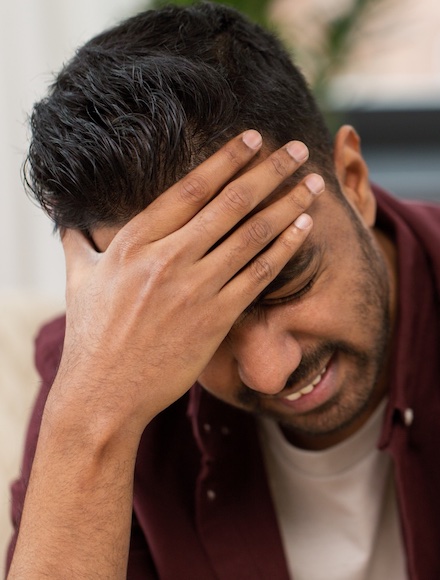
Migraine is a common disorder characterized by recurrent, throbbing headaches often accompanied by nausea, vomiting, and sensitivity to light and sound. It affects millions of people worldwide, significantly impacting their quality of life. Migraine often affects one side of the head and can cause excruciating pulsating or throbbing pain. Hours or days may pass during a migraine episode, and the agony may be so severe that it disrupts your everyday routine. However, you can be confident that you will receive the greatest care from ayurveda because this treatment of Migraine is among the best migraine remedies in India. From an Ayurvedic perspective, migraine is understood as Ardhavabhedaka, described in ancient texts, with a detailed explanation of its causes, symptoms, and management approaches based on the balance of Doshas (Vata, Pitta, Kapha).
CAUSE OF MIGRAINE :
The exact cause of migraines is not fully understood but is believed to involve: Abnormal brain activity affecting nerve signals and blood vessels, Imbalance of neurotransmitters like serotonin, Genetic predisposition. In Ayurveda, migraine is primarily caused by the vitiation of Tridoshas, mainly Vata and Pitta. The imbalance leads to disturbances in circulation, nervous control, and digestion, resulting in pain and associated symptoms. Common causes according to Ayurveda are suppression of natural urges (Vegadharana), Intake of excessively spicy, sour, or salty food, Exposure to hot sun or extreme cold, Mental stress, anxiety, anger, and grief, Irregular food habits and sleep patterns.
SIGNS AND SYMPTOMS :
1.Prodromal Phase (Pre-Headache): Mood changes, Fatigue, Food cravings, Neck stiffness.
2.Aura Phase (In Some Cases): Visual disturbances (flashing lights, zigzag lines), Tingling sensation in limbs or face, Speech disturbances.
3.Headache Phase: Unilateral or bilateral throbbing headache, Nausea and vomiting, Sensitivity to light and sound
4.Postdromal Phase (After Headache): Confusion, Weakness, Exhaustion. Symptoms of Ardhavabhedaka (According to Ayurveda): Severe pain in one half of the head, Radiating pain to eyes, ears, and neck, Nausea and vomiting, Photophobia and phonophobia (in Pitta aggravation). In Ayurveda, migraine is closely related to Ardhavabhedaka. The term ‘Ardhavabhedaka’ literally means “splitting pain in half of the head.”. Vata dominance causes pulsating, shooting pain. Pitta dominance leads to burning sensation, redness, and irritability. Kapha association can cause heaviness and dull pain.
RISK FACTORS :
Several factors can increase or trigger the likelihood of developing migraines. Family history of migraine, Hormonal Changes: Fluctuations during menstruation, pregnancy, or menopause, Dietary Triggers: Chocolate, aged cheese, caffeine, processed foods, Environmental Factors: Bright lights, strong smells, loud sounds, Lifestyle Factors: Irregular sleep, stress, fasting, excessive workload, Psychological Factors: Anxiety, depression, emotional distress
MIGRAINE TREATMENT IN AYURVEDA :
- Shodhana (Purification): Virechana (Purgation): For Pitta predominance. Nasya (Nasal administration of medicines): With medicated oils. Basti (Enema): For balancing Vata dosha
- Tripura purification therapy
- Shamana (Palliative) therapy: The use of various herbal and mineral formulations aid in curing the condition. Use of medicated oils for head massage (Shiro Abhyanga) .
- Rasayana (Rejuvenation) therapy:
There is a use of certain herbal and mineral formulations which are for strengthening the nervous system and act for the wellbeing of the whole body. - Lifestyle Modifications: Avoiding known triggers (e.g., fasting, late nights, excessive screen exposure), Regular practice of Yoga and Pranayama for mental wellbeing, Inclusion of a wholesome diet according to the appetite, Maintenance of Seasonal and daily regimens.
Migraine, or Ardhavabhedaka, is a disorder deeply rooted in both physical and mental imbalances. Ayurveda provides a holistic approach by addressing not only symptomatic relief but also correcting underlying Dosha imbalances, improving digestion, calming the mind, and rejuvenating the nervous system. Early diagnosis and proper Ayurvedic management can provide significant relief and improve overall well-being.
Our Therapies
Authentic Ayurvedic therapies that detoxify, rejuvenate, and restore balance naturally.
Our Treatments
Specialized programs like Swarna Prashanan, Abhyanga, and Panchakarma for holistic healing.
Our Expert Team
Experienced doctors and therapists offering personalized care with a healing touch.
Our Yoga Sessions
Individual and Group Sessions are available
Meditation Classes
Tripura Purification Approach Developed by Prasadini